Common Reasons Residential Stamped Concrete Cracks and Fades Over Time
Residential stamped concrete repair experts can help address common reasons stamped concrete cracks and fades over time, restoring durability and appearance effectively.
Homeowners with stamped concrete driveways, patios, or walkways often notice cracks or fading over time, prompting questions about the common reasons residential stamped concrete cracks and fades over time. Understanding these factors can help property owners better care for their surfaces and recognize when professional repair might be needed. Local contractors who specialize in stamped concrete repair are familiar with the typical causes behind these issues, such as ground movement, improper installation, or exposure to the elements, and can provide tailored solutions to restore the appearance and integrity of the concrete.
Exploring why stamped concrete may crack or fade over the years can also highlight practical steps for prevention and maintenance. While some wear is inevitable, many property owners find value in consulting with experienced service providers who can address underlying issues and recommend appropriate repairs. Whether dealing with minor cracks or significant fading, connecting with local experts ensures that residential stamped concrete surfaces are properly evaluated and serviced, helping to extend their lifespan and maintain their aesthetic appeal.
- Residential stamped concrete cracks - homeowners noticing cracking over time may seek repair services from local contractors who specialize in restoring the integrity of stamped surfaces.
- Fading stamped concrete - when colors fade or lose vibrancy, service providers can offer resurfacing or color renewal solutions to restore appearance.
- Surface deterioration - signs of surface chipping or spalling often lead residents to consult local pros for crack filling and surface reinforcement.
- Uneven or sunken areas - settling or shifting can cause uneven stamped concrete, prompting experts to perform leveling and structural repairs.
- Exposure to weather elements - damage caused by freeze-thaw cycles or moisture intrusion can be addressed by local contractors through sealing and repair work.
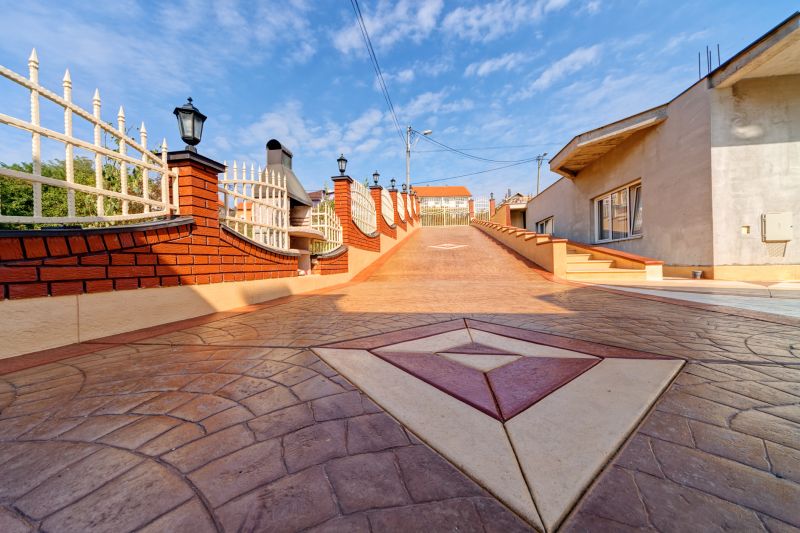
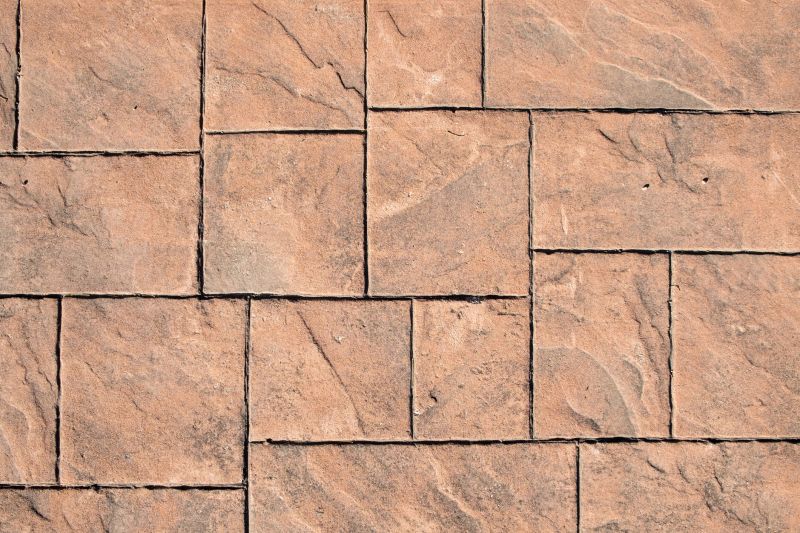
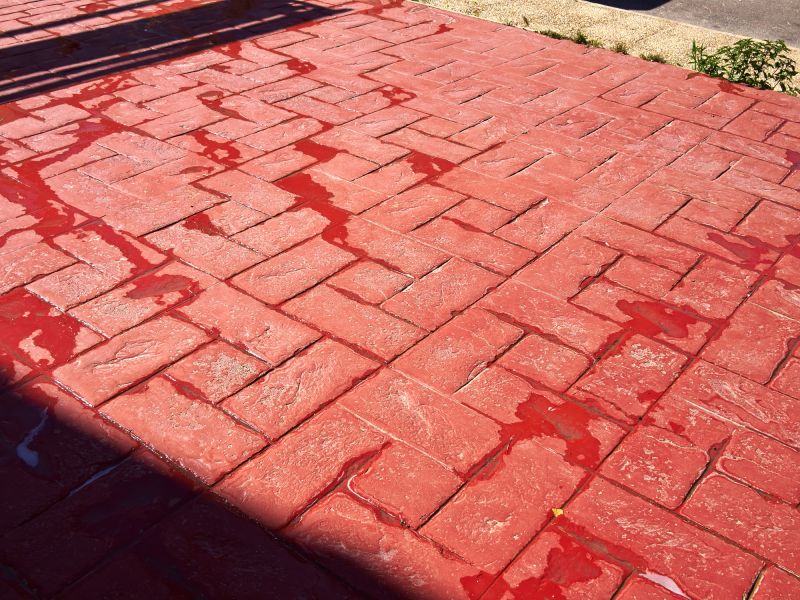
Understanding the common reasons residential stamped concrete cracks and fades over time is essential for homeowners considering this popular decorative surface. When people search for this topic, they are often looking for explanations about why their stamped concrete has developed visible cracks or lost its original color and vibrancy. These issues can impact the overall appearance and longevity of the surface, making it a concern for those planning repairs or replacements. Homeowners typically want to know what causes these problems so they can determine whether repairs are necessary or if a new installation might be a better long-term solution.
This topic relates closely to projects involving the repair, restoration, or replacement of stamped concrete surfaces. Cracks can compromise the structural integrity of the concrete, leading to further damage if left unaddressed. Fading, on the other hand, diminishes the aesthetic appeal, especially on decorative surfaces designed to mimic natural stone or brick. Homeowners with driveways, patios, walkways, or pool decks often seek out local service providers who specialize in stamped concrete repairs to restore the surface’s appearance and durability. Understanding the common reasons behind cracking and fading helps these contractors recommend effective solutions that extend the life of the concrete and maintain its decorative appeal.
The types of properties that typically encounter issues with stamped concrete cracking and fading include residential homes with outdoor living spaces, such as patios, pool surrounds, and walkways. These surfaces are exposed to weather conditions, temperature fluctuations, and regular wear and tear, all of which can accelerate deterioration. Properties in regions with extreme temperature changes or high moisture levels may experience more frequent problems due to the stresses placed on the concrete. Homeowners with these types of properties often seek out local contractors who can diagnose the underlying causes of cracking and fading and implement appropriate repair or resurfacing techniques to improve the surface’s longevity.
By understanding the common reasons residential stamped concrete cracks and fades over time, homeowners can better appreciate how local service providers play a vital role in maintaining and restoring their outdoor surfaces. These professionals can assess the specific causes-such as improper installation, ground movement, or environmental factors-and recommend targeted repairs or resurfacing options. This knowledge helps homeowners make informed decisions about their property’s appearance and durability, ensuring that repairs are effective and long-lasting. Connecting with experienced local contractors provides the expertise needed to address these issues and keep stamped concrete surfaces looking their best for years to come.
Concrete driveway restoration involves repairing cracks and fading in stamped concrete surfaces, requiring similar skills in surface preparation and finishing techniques as residential stamped concrete repair services.
Patio resurfacing projects often address issues like cracking and discoloration, utilizing planning and surface treatment methods comparable to those used in fixing stamped concrete problems.
Walkway repair services focus on addressing structural cracks and surface deterioration, aligning with the skills needed to manage common reasons stamped concrete cracks and fades over time.
Concrete slab leveling involves correcting uneven surfaces and cracks, which shares planning and execution techniques with repairing stamped concrete surfaces affected by wear and cracking.
Garage floor coating applications deal with surface cracks and fading, requiring surface preparation and sealing methods similar to those used in stamped concrete maintenance.
Pool deck resurfacing projects often encounter issues like cracking and fading, demanding surface repair skills that are applicable to addressing common reasons stamped concrete cracks and fades over time.
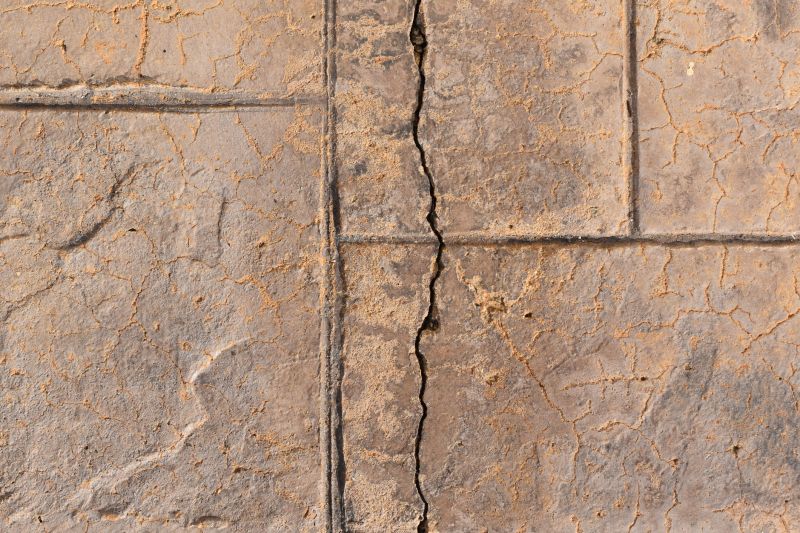
When evaluating service providers for residential stamped concrete repair, it is essential to consider their experience with similar projects. A contractor with a history of addressing common reasons residential stamped concrete cracks and fades over time will likely have a better understanding of the material's vulnerabilities and the best strategies to restore its appearance and durability. Homeowners should inquire about the types of repairs the contractor has performed in the past and whether they have successfully handled issues related to cracking, fading, or surface deterioration in stamped concrete surfaces similar to their own.
Clear written expectations are another critical factor when comparing local contractors. A detailed scope of work, including the specific repair techniques, materials to be used, and the anticipated results, helps ensure that both parties are aligned on the project’s goals. This clarity reduces misunderstandings and provides a foundation for evaluating the quality of work. Homeowners should look for service providers who can articulate their approach in writing, demonstrating professionalism and a thorough understanding of the common causes of stamped concrete issues and the most effective repair methods.
Good communication and reputable references are key indicators of a reliable contractor. Service providers who are transparent about their processes and willing to share references or examples of completed projects can offer peace of mind. Speaking with previous clients or reviewing case studies can reveal how well a contractor manages projects involving repairs for cracked or faded stamped concrete. Consistent, clear communication throughout the process helps ensure that homeowners stay informed about progress and any potential challenges, leading to a smoother repair experience and a more satisfactory outcome.
Property owners often search for common reasons residential stamped concrete cracks and fades over time when they are planning practical projects around their homes and businesses. Local pros provide Residential Stamped Concrete Repair services for everyday jobs and straightforward project options.
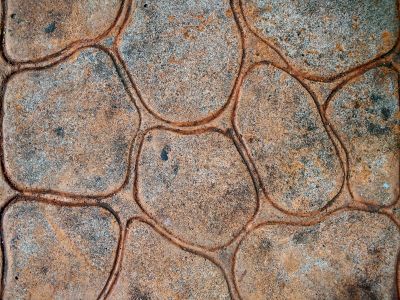
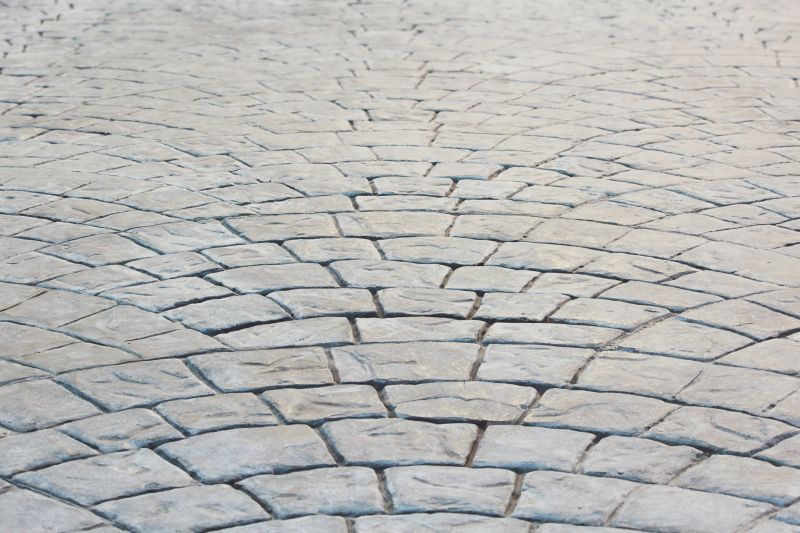
Residential stamped concrete can develop cracks and fade over time for several common reasons that property owners in the area often encounter. One typical cause is exposure to temperature fluctuations, which can cause the concrete to expand and contract, leading to cracking if the material isn't properly installed or maintained. Additionally, heavy foot or vehicle traffic can put stress on the surface, accelerating wear and tear. Over time, exposure to sunlight and weather elements can also cause the decorative color to fade, diminishing the appearance of the stamped pattern. When these issues arise, local contractors experienced in stamped concrete repair can assess the situation and recommend suitable solutions to restore the surface’s durability and aesthetic appeal.
Other factors that contribute to cracking and fading include improper installation techniques, such as inadequate curing or insufficient base preparation, which can weaken the concrete's structure. Poor drainage around the property can lead to water pooling and seeping into the concrete, causing cracks or surface deterioration. Furthermore, the use of low-quality sealers or failure to reapply sealants periodically can result in the surface losing its protective layer, making it more susceptible to fading and damage. Property owners noticing these signs may consider reaching out to local service providers who specialize in stamped concrete repairs, as they can help address these issues effectively and help extend the lifespan of the decorative surface.
What causes cracks in residential stamped concrete over time? Cracks often develop due to soil movement, improper installation, or temperature fluctuations that cause the concrete to expand and contract, which local contractors can address through proper repair techniques.
Why does stamped concrete fade or lose color? Fading occurs from prolonged exposure to sunlight, weathering, and the use of harsh cleaning products, but experienced service providers can restore color and apply protective sealers to prevent future fading.
Can improper curing lead to cracking or fading in stamped concrete? Yes, inadequate curing can weaken the concrete, making it more prone to cracking and fading over time; local pros can evaluate and repair such issues to improve durability.
How do environmental factors contribute to stamped concrete deterioration? Environmental conditions like freeze-thaw cycles, moisture, and UV exposure can cause cracking and fading, but professional repair services can mitigate these effects and extend the lifespan.
What role does quality of materials play in the longevity of stamped concrete? Using low-quality materials can increase the risk of cracks and fading, but local contractors can recommend and apply high-quality solutions to enhance the concrete’s resilience.
Proper Surface Preparation - Ensuring the concrete surface is correctly prepared before stamping can prevent early cracking and fading, and local contractors can assess and improve existing surfaces.
Sealing and Protective Coatings - Applying high-quality sealers helps protect stamped concrete from moisture and UV damage, which local service providers can recommend and apply during repair projects.
Controlling Foot Traffic and Heavy Loads - Limiting heavy weight and excessive foot traffic on stamped concrete can reduce stress-related cracks, with local pros offering advice on reinforcement or repair options.
Addressing Soil Movement and Drainage - Proper drainage solutions and soil stabilization can minimize shifting that causes cracks and fading, and local contractors can implement these measures during repairs.
If you are thinking about common reasons residential stamped concrete cracks and fades over time for a property, this guide is meant to help you understand this topic, the typical project types, and how different options might fit your plans.
When you are ready, you can use the quote form on this page to share a few details about your project. From there, local pros can review the basics and follow up with options that match what you have in mind.